Branding & Identity
Brand Guidelines for Renewable Energy Company
Project Name: SolarNest Energy | Industry: Renewable Energy & Clean Technology | Service Category: Branding Solutions – Brand Guidelines Development
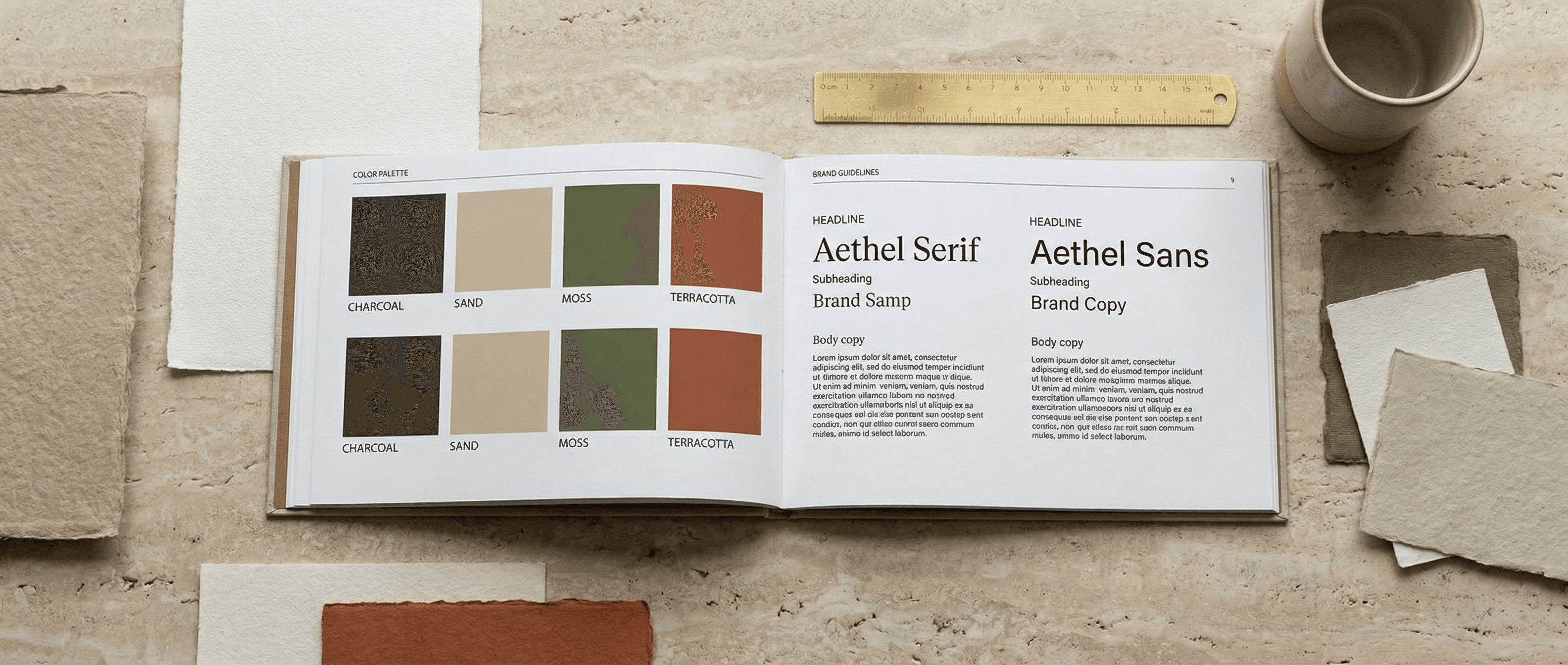
SolarNest Energy needed structured guidelines across regions and partners. We developed logo standards, color system, typography, imagery direction, and messaging framework.
Project Overview
SolarNest Energy is a fast-growing renewable energy company providing residential and commercial solar installation services. As the company expanded into new regions, marketing materials, sales presentations, and digital assets started to look inconsistent.
The leadership team needed a structured brand guidelines document that would standardize brand identity across internal teams, agencies, and partners.
Our mission was to develop a professional brand guidelines system that ensured visual consistency, messaging clarity, and scalable brand growth.
Business Challenge
SolarNest faced several branding issues:
- •Multiple logo variations in circulation
- •Inconsistent use of colors and typography
- •Different messaging tone across regions
- •Poor alignment between website, brochures, and social media
- •No formal documentation for brand usage
Without clear brand guidelines, the company risked weakening its brand recognition and professional credibility.
Brand Guidelines Development Process
1. Brand Foundation Clarification
Before defining visual rules, we aligned on strategic foundations:
- •Brand mission and vision
- •Core values
- •Target audience segments
- •Market positioning
- •Brand personality traits
This ensured that the brand guidelines were rooted in strategy, not just aesthetics.
2. Logo Usage Standards
We documented:
- •Primary and secondary logo versions
- •Clear space requirements
- •Minimum size rules
- •Incorrect usage examples
- •Background color variations
This eliminated confusion and ensured consistent logo application across print and digital media.
3. Color System Documentation
The brand color system included:
- •Primary brand colors
- •Secondary supporting colors
- •Neutral shades
- •Accessibility contrast standards
We provided HEX, RGB, and CMYK values to support both digital marketing and print production.
4. Typography Guidelines
A structured typography hierarchy was defined:
- •Headline font family
- •Subheading usage rules
- •Body text standards
- •Web-safe alternatives
- •Spacing and alignment recommendations
Clear typography rules improved readability and strengthened brand recognition.
5. Visual Style & Imagery Direction
We established clear visual standards for:
- •Photography style
- •Image tone and lighting
- •Illustration approach
- •Iconography style
- •Graphic overlays
The imagery direction emphasized sustainability, innovation, and real-world impact.
6. Tone of Voice & Messaging Framework
Brand communication guidelines covered:
- •Brand tone (optimistic, transparent, professional)
- •Key messaging pillars
- •Value proposition structure
- •Sample headline formats
- •Website copy tone examples
This ensured alignment across website content, social media posts, and sales communication.
7. Digital & Print Applications
The guidelines included practical templates for:
- •Business cards
- •Corporate presentations
- •Social media banners
- •Website UI components
- •Email signatures
- •Brochure layouts
This helped internal teams implement the brand correctly without constant design supervision.
Results After Implementation
Within five months:
- •Improved brand consistency across three regions
- •Faster content production due to predefined templates
- •Stronger brand recognition in digital campaigns
- •Increased trust from commercial partners
The brand guidelines became a foundational document supporting marketing growth, investor presentations, and expansion strategy.
Why Brand Guidelines Are Essential
Well-defined brand guidelines:
- •Protect brand identity
- •Ensure consistent communication
- •Improve marketing efficiency
- •Strengthen brand credibility
- •Support long-term scalability
Brand guidelines are more than a PDF document. They are a strategic framework that protects how a brand is seen, heard, and experienced across every touchpoint.
Key Outcomes
- ·Improved brand consistency across three regions
- ·Faster content production due to predefined templates
- ·Stronger brand recognition in digital campaigns
- ·Increased trust from commercial partners
- ·Foundational document supporting marketing growth and expansion strategy