Branding & Identity
Tone of Voice for Digital Health Platform
Project Name: CarePulse | Industry: Digital Health & Telemedicine | Service Category: Branding Solutions – Tone of Voice Development
CarePulse needed consistency across website, app, email, and support. We defined brand personality, communication pillars, channel-specific rules, and a tone of voice playbook.
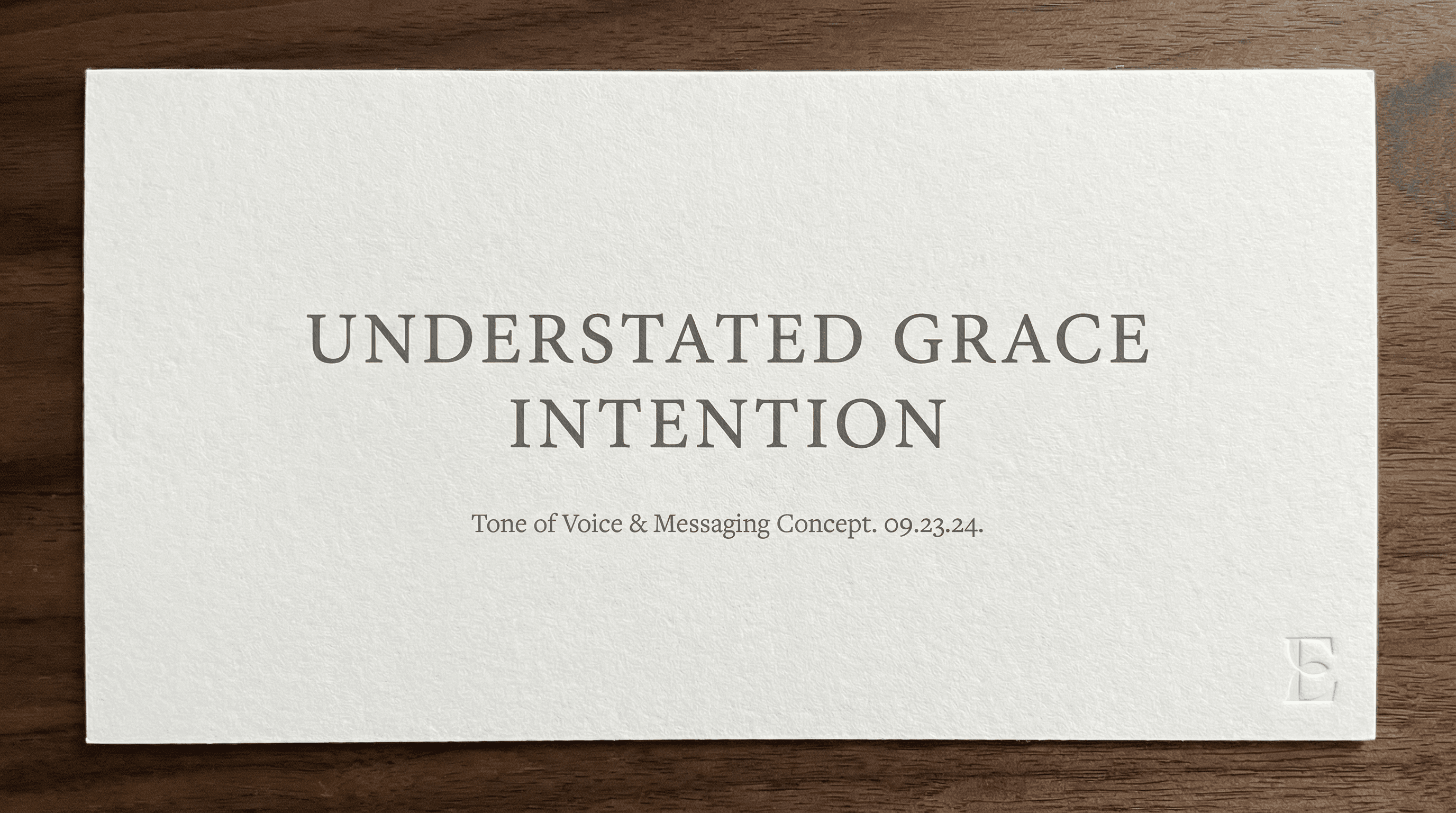
Project Overview
CarePulse is a digital health platform offering virtual consultations, mental health support, and remote patient monitoring. While the product was trusted by healthcare providers, its communication lacked emotional clarity. Website content sounded overly technical. Social media posts felt inconsistent. Email communication shifted between clinical and casual.
The company needed a structured brand tone of voice framework that would bring consistency, empathy, and authority across all communication channels.
Business Challenge
Healthcare communication requires balance. It must build trust while remaining human and approachable.
CarePulse faced several challenges:
- •Inconsistent messaging across website and app
- •Overuse of medical jargon
- •Lack of emotional connection in patient communication
- •Mixed tone across marketing and customer support
- •Low engagement in email campaigns
Without a defined tone of voice strategy, the brand risked sounding generic and impersonal.
Tone of Voice Strategy Approach
1. Brand Personality Definition
We started by defining the brand personality using clear descriptors:
- •Compassionate
- •Knowledgeable
- •Reassuring
- •Transparent
- •Modern
This became the foundation for communication standards.
2. Audience Communication Mapping
We analyzed key audience segments:
- •Patients seeking remote care
- •Caregivers
- •Healthcare professionals
- •Corporate wellness partners
Each audience required subtle tone adjustments while maintaining core brand consistency.
3. Core Tone of Voice Framework
We created four communication pillars:
1. Empathetic but Clear — Use supportive language without sounding dramatic. 2. Professional but Accessible — Avoid complex medical terminology unless necessary. 3. Confident but Not Overpromising — Focus on realistic outcomes. 4. Direct but Warm — Clear instructions with human reassurance.
4. Messaging Guidelines & Examples
The tone of voice document included:
- •Approved vocabulary
- •Words to avoid
- •Sample website headlines
- •Email tone examples
- •Push notification style
- •Social media caption structure
Example transformation: Before: "Utilize our advanced telehealth system to optimize healthcare accessibility." After: "Connect with a licensed doctor from home in minutes." The difference improved clarity and emotional resonance.
5. Channel-Specific Tone Rules
We defined tone variations for:
- •Website content
- •Email marketing campaigns
- •App notifications
- •Customer support responses
- •Social media posts
- •Investor communication
Each channel had a defined intensity and formality level.
6. Tone of Voice Playbook Delivery
The final deliverable included:
- •Brand voice definition
- •Tone spectrum scale
- •Real-world content samples
- •Copy templates
- •Content review checklist
- •Internal training material
This ensured that marketing teams, product writers, and customer support representatives communicated consistently.
Results Within 4 Months
- •28% increase in email open rates
- •Higher patient engagement on app notifications
- •Reduced customer support confusion
- •Improved website conversion rate
- •Stronger emotional brand connection
CarePulse transformed from sounding clinical and distant to human and trustworthy.
Why Tone of Voice Matters in Branding Solutions
A strong tone of voice:
- •Builds emotional trust
- •Strengthens brand recognition
- •Improves customer engagement
- •Supports conversion optimization
- •Aligns marketing and customer experience
Tone of voice is not about writing style alone. It shapes how people feel about a brand at every interaction.
Key Outcomes
- ·28% increase in email open rates
- ·Higher patient engagement on app notifications
- ·Reduced customer support confusion
- ·Improved website conversion rate
- ·Transformed from clinical and distant to human and trustworthy