DevOps & Engineering
IaC Modernization for Multi-Environment SaaS Platform
Example Project: IaC Modernization for a Multi-Environment SaaS Platform | Service: Terraform, ARM Templates, Infrastructure Automation
We redesigned infrastructure using Terraform and ARM templates — modular architecture, environment replication, automated config management, CI/CD integration. 70% faster provisioning.
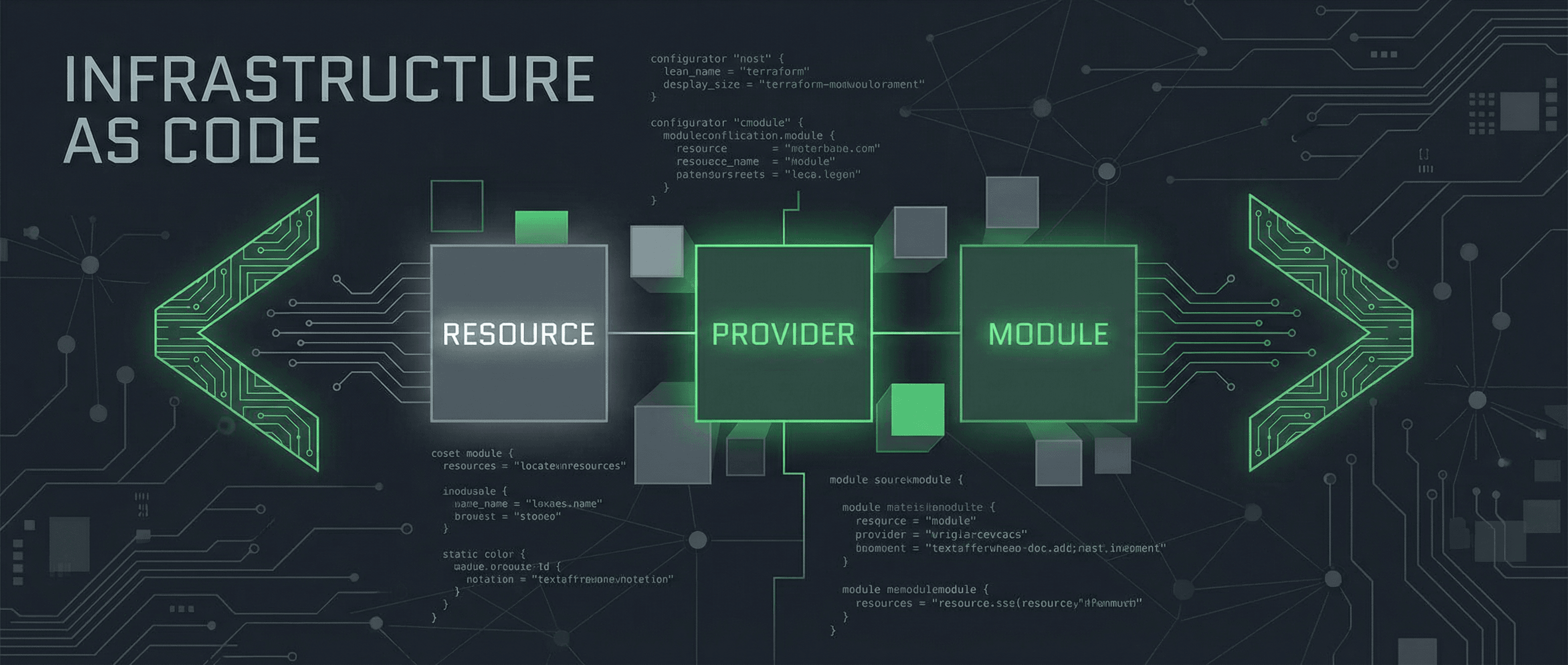
Example Project: IaC Modernization for a Multi-Environment SaaS Platform
The Challenge
A SaaS company operating across development, staging, and production environments was facing recurring infrastructure issues:
- •Environment inconsistencies
- •Manual configuration errors
- •Slow environment provisioning
- •Deployment failures caused by drift
- •Limited visibility into infrastructure changes
Every new feature release required manual cloud adjustments. This increased risk and slowed development velocity. They needed automated infrastructure management.
The Antarita Approach
We redesigned their infrastructure using a full Infrastructure as Code framework built on Terraform for multi-cloud flexibility and Azure Resource Manager (ARM) templates for platform-native optimization.
The objective was simple: Create fully automated, version-controlled infrastructure deployments that eliminate manual intervention.
What We Built
1. Modular Terraform Architecture
We developed reusable Terraform modules for:
- •Virtual networks and subnets
- •Compute instances and auto-scaling groups
- •Managed databases
- •Load balancers
- •Storage configurations
- •Role-based access control
Each module followed a standardized structure to ensure consistency across environments. Infrastructure could now be deployed in minutes instead of days.
2. Environment Replication & Consistency
Using IaC principles, we created:
- •Identical staging and production environments
- •Parameterized configuration files
- •Secure state management
- •Automated environment provisioning
This removed configuration drift and ensured reliable testing before production releases.
3. Automated Configuration Management
We implemented automated configuration workflows to:
- •Install required services
- •Apply security baselines
- •Enforce compliance policies
- •Monitor configuration changes
All infrastructure changes were tracked through version control systems, enabling full auditability.
4. CI/CD Integration for Infrastructure
Infrastructure updates were integrated into the CI/CD pipeline, allowing:
- •Automated validation of infrastructure changes
- •Pre-deployment testing
- •Controlled production rollouts
- •Rollback capability
Infrastructure became part of the development lifecycle.
Measurable Results
Within four months:
- •70% faster environment provisioning
- •Elimination of configuration drift
- •40% reduction in deployment-related incidents
- •Improved security compliance
- •Greater operational transparency
The company moved from reactive infrastructure management to automated cloud governance.
Why Infrastructure as Code Matters
Infrastructure as Code ensures: Repeatable deployments, version-controlled infrastructure, faster scalability, reduced human error, stronger security posture.
At Antarita Digital Cloud, we engineer automated cloud foundations that support AI platforms, SaaS products, CRM ecosystems, and enterprise applications.
Key Outcomes
- ·70% faster environment provisioning
- ·Elimination of configuration drift
- ·40% reduction in deployment-related incidents
- ·Improved security compliance
- ·Moved from reactive to automated cloud governance